
Understanding Fascia and Its Impact on the Body's Health and Wellbeing

Fascia is often overlooked in discussions about health, yet it plays a crucial role in how our bodies function and feel. When fascia becomes tight or restricted, it can affect far more than just muscles or joints. It influences digestion, sleep, stress levels, menstruation, and overall well-being. This post explores fascia in detail, explains how fascial connections work, and highlights the links between fascia and Chinese Medicine.

What Is Fascia?
Fascia is a web of connective tissue that surrounds and supports every muscle, bone, nerve, blood vessel, and organ in the body. It is made mostly of collagen, a strong but flexible protein. Unlike muscles, fascia does not contract, but it provides structure and transmits force throughout the body.
Fascia exists in layers:
Superficial fascia lies just under the skin, connecting skin to muscles.
Deep fascia surrounds muscles, bones, nerves, and blood vessels.
Visceral fascia wraps around organs, keeping them in place.
This continuous network means that tension or restriction in one area can affect distant parts of the body.
How Fascial Connections Work
The fascial system acts like a three-dimensional web. It connects muscles and bones, allowing movement to be coordinated across the body. For example, when you lift your arm, fascia helps transmit the force from your shoulder muscles down to your fingers.
Fascia also contains nerve endings and receptors that provide feedback to the brain about body position and movement. This sensory role means fascia influences balance, coordination, and even pain perception.
Because fascia is continuous, tightness in one spot can pull on other areas. For example, tight fascia in the lower back can affect posture and cause discomfort in the neck or hips.
What Happens When Fascia Gets Tight?
Fascia can become tight or restricted due to injury, poor posture, repetitive movements, stress, or lack of movement. When fascia tightens, it loses its flexibility and becomes less able to glide smoothly over muscles and organs.
This restriction can cause:
Pain and stiffness in muscles and joints
Reduced range of motion
Poor circulation as blood vessels get compressed
Nerve irritation leading to tingling or numbness
Impaired organ function when visceral fascia is involved
Tight fascia can also trap toxins and waste products, contributing to inflammation and discomfort.
How Restricted Fascia Affects Digestion
The digestive organs are wrapped in visceral fascia. When this fascia tightens, it can compress the stomach, intestines, and other organs, slowing digestion and causing symptoms like bloating, constipation, or acid reflux.
Restricted fascia may also affect the vagus nerve, which controls digestion and gut motility. This can lead to poor nutrient absorption and imbalances in gut bacteria.
For example, someone with chronic tightness in the abdominal fascia might experience frequent indigestion or irregular bowel movements. Releasing fascial restrictions through massage or movement therapies can improve digestion by restoring normal organ mobility.
Fascia’s Role in Sleep and Stress
Fascia contains sensory nerves that respond to tension and pressure. When fascia is tight, it can send signals that increase muscle tension and activate the nervous system’s stress response.
This heightened state makes it harder to relax and fall asleep. People with fascial restrictions often report restless nights or waking up with stiffness and pain.
Stress itself can cause fascia to tighten, creating a cycle where stress and fascial tension feed into each other. Techniques like myofascial release, gentle stretching, and breathing exercises can help calm the nervous system and relax fascia, improving sleep quality.
Impact on Menstruation and Hormonal Health
Fascia surrounds reproductive organs such as the uterus and ovaries. Tightness in the pelvic fascia can restrict blood flow and nerve signals, potentially contributing to menstrual pain, irregular cycles, or pelvic discomfort.
Chinese Medicine views fascia as part of the body’s energy pathways, or meridians. Blocked or stagnant energy in these pathways can manifest as pain or dysfunction. Fascia’s role in connecting organs and tissues aligns with this concept, as restrictions can disrupt the flow of energy and blood.
Practices like acupuncture, acupressure, and qigong aim to restore smooth energy flow, which may also help release fascial tension and support hormonal balance.
Practical Ways to Support Healthy Fascia
Maintaining healthy fascia involves movement, hydration, and stress management. Here are some practical tips:
Regular movement: Activities like walking, yoga, and swimming keep fascia flexible.
Stretching: Gentle stretching helps fascia glide smoothly over muscles.
Hydration: Fascia needs water to stay supple.
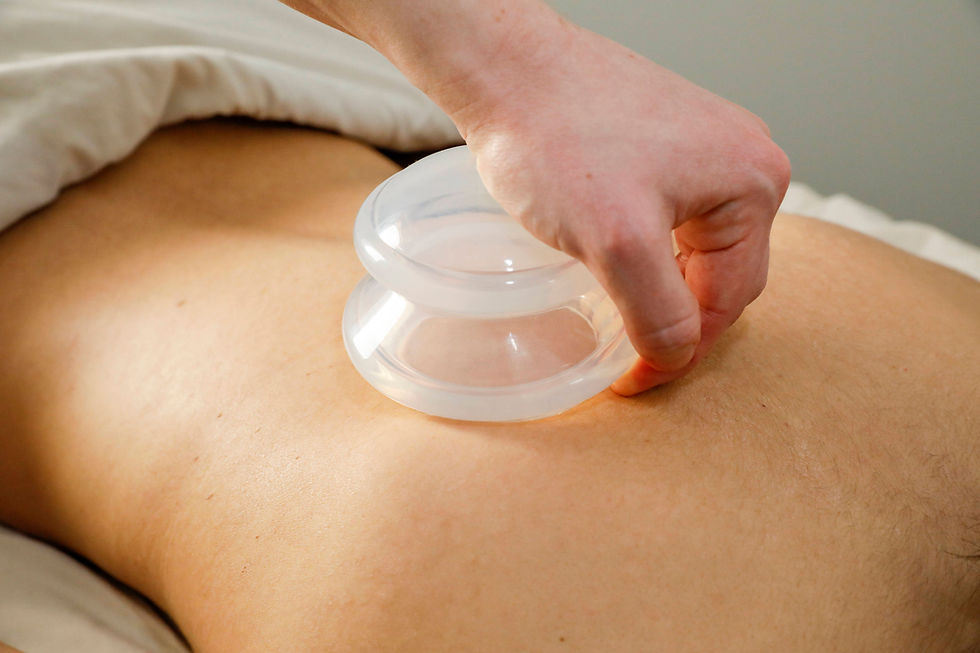
Massage and bodywork: Techniques like myofascial release or foam rolling can break up fascial restrictions.
Mind-body practices: Meditation, deep breathing, and qigong reduce stress and relax fascia.
Posture awareness: Avoid prolonged positions that strain fascia.
For example, foam rolling the calves and thighs can relieve tight fascia that causes knee pain. Similarly, gentle abdominal massage may improve digestion by loosening visceral fascia.
Fascia and Chinese Medicine Connections
Chinese Medicine describes the body as a system of interconnected energy channels called meridians. Fascia’s continuous network mirrors these pathways, supporting the idea that physical and energetic health are linked.
When fascia is tight, it can block the flow of qi (energy) and blood, leading to pain or illness. Treatments like acupuncture target specific points along meridians to release these blockages.
This holistic view encourages treating fascia not just as tissue but as part of the body’s energetic system. Combining Western fascia therapies with Chinese Medicine approaches can offer comprehensive relief and support well-being.

Final Thoughts on Fascia and Wellbeing
Fascia is a vital but often overlooked part of the body that influences many aspects of health. Tight or restricted fascia can cause pain, affect digestion, disrupt sleep, increase stress, and impact menstrual health.
Understanding fascia’s role and how it connects to Chinese Medicine offers new ways to support the body’s natural balance. By incorporating movement, hydration, bodywork, and mind-body practices, you can help keep fascia healthy and improve overall wellbeing.
If you experience chronic pain, digestive issues, or hormonal imbalances, exploring fascia-focused therapies may provide relief. Consider consulting with a qualified practitioner who understands both Western and Eastern approaches to fascia health.
Book Today!
Book online with Morgan Rigney, Registered Acupuncturist at www.acupuncturevic.ca


Comments