
The Healing Power of Cupping Therapy: Benefits, Techniques, and Safe Practices

Cupping therapy has gained attention as a natural healing method that supports wellness and recovery. This ancient technique involves placing cups on the skin to create suction, which can help improve circulation and stimulate the body's healing processes. Many people turn to cupping for relief from pain, muscle tension, and other health concerns. Understanding how cupping works, the different types of cupping, and safe practices can help you decide if this therapy fits your wellness routine.

What Is Cupping Therapy?
Cupping therapy is a form of alternative (typically Chinese) medicine where suction is created on the skin using silicone, glass, or plastic cups. This suction pulls the skin and underlying tissue upward into the cup, which can increase blood flow to the area. The increased circulation helps bring oxygen and nutrients to tissues, promoting healing and reducing muscle tightness.
The therapy has roots in traditional Chinese medicine but has been practiced in various cultures worldwide, including Middle Eastern and Eastern European traditions. It is often used to relieve pain, reduce inflammation, and support relaxation.
How Cupping Therapy Works
The suction created by the cups causes a mild, controlled inflammation in the skin and underlying tissues. This inflammation triggers the body’s natural healing response, which includes:
Increased blood flow to the area
Activation of the immune system
Release of toxins and metabolic waste
Relaxation of tight muscles and fascia
By stimulating these processes, cupping can help reduce pain, improve mobility, and support overall wellness.
Different Types of Cupping
There are several types of cupping therapy, each with unique techniques and tools. The main types include silicone cupping, glass or fire cupping, and blood cupping.
Silicone Cupping
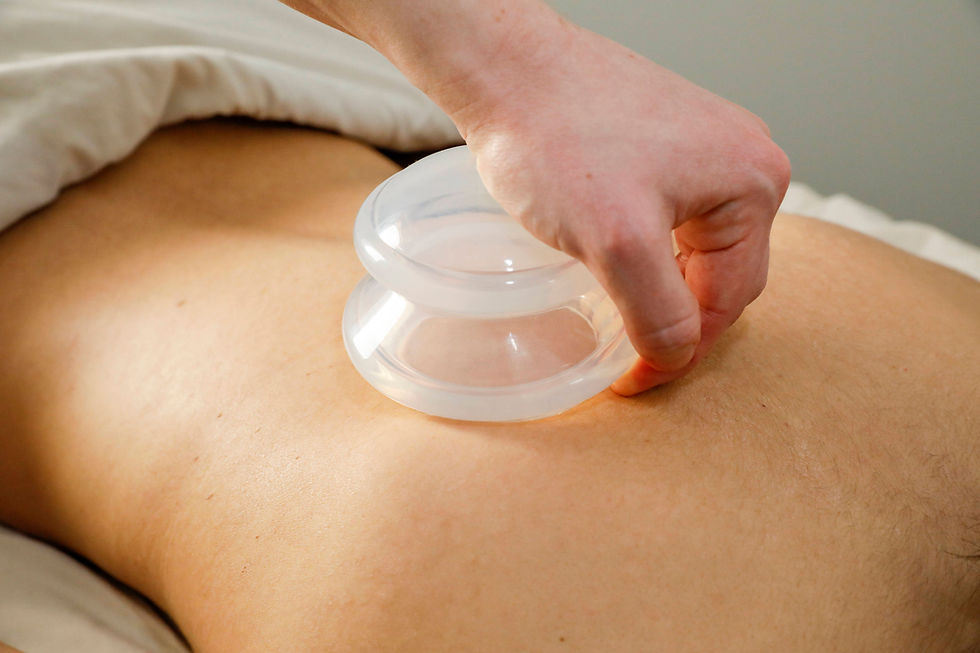
Silicone cups are flexible and soft, made from medical-grade silicone. They create suction by squeezing the cup and placing it on the skin, where it naturally pulls the skin upward. Silicone cups are easy to use, reusable, and safe. They allow for gentle movement on the skin, which makes them popular for massage and myofascial release.
Glass or Fire Cupping
Glass cupping uses rigid glass cups. The suction is created by briefly heating the inside of the cup with fire, then quickly placing it on the skin. As the air inside cools, it contracts and pulls the skin upward. This method requires skill and caution due to the use of fire and the risk of burns. Glass cups are often used in traditional settings and can leave circular marks on the skin.
Blood Cupping
Blood cupping, also known as wet cupping, involves making small, superficial cuts on the skin before applying the cup. The suction draws out a small amount of blood. This method is believed to remove toxins and improve circulation more deeply. Blood cupping carries higher risks, including infection, and is not practiced at this clinic.
Why Silicone Cups Are a Safe Choice
For safety reasons, I use silicone cups in my practice. Silicone cups offer the same benefits as glass or fire cupping without the risks associated with heat or skin punctures. They are gentle on the skin, easy to clean, and reduce the chance of bruising or burns. Silicone cups also allow for controlled suction strength, making the therapy comfortable and accessible for most people.
Using silicone cups means you can enjoy the benefits of cupping therapy with peace of mind about safety and hygiene.

The Cupping Therapy Process
A typical cupping session with silicone cups involves several steps:
Preparation
The skin is cleaned and sometimes lightly oiled to help the cups glide smoothly.
Cup Placement
The therapist squeezes the silicone cup to create suction and places it on the targeted area, such as the back, shoulders, or legs. The cups are placed upon the skin and pressure is adjusted to the patient's preferred suction. Then, we roll the cups down to the low back and slowly up to the upper back.
Suction and Movement
Once we have overed the back, moving the blood, the cups stay in place for 2-3 minutes. I adjust them to cover the entire back over time. This process takes roughly 20-30 minutes.
Removal
The cups are carefully removed by releasing the suction. The skin may show circular marks or redness, which usually fade within a few days. Bruising is common and is not a bad sign.
Aftercare
Clients are advised to stay hydrated and avoid strenuous activity immediately after the session.
The process is generally relaxing and can be combined with acupuncture. Patients report deep sleeps after cupping so expect to be relaxed!
Benefits of Cupping Therapy
Cupping therapy offers a range of potential benefits supported by both traditional use and emerging research:
Pain Relief
Cupping can reduce muscle pain and stiffness by improving blood flow and relaxing tight tissues. It is often used for back pain, neck pain, and sports injuries.
Reduced Inflammation
The mild inflammation caused by cupping triggers the body’s healing response, which can help reduce chronic inflammation.
Improved Circulation
Suction increases blood flow to the skin and muscles, which supports tissue repair and detoxification.
Relaxation and Stress Relief
The therapy promotes relaxation by easing muscle tension and stimulating the nervous system.
Enhanced Immune Function
By stimulating the immune system, cupping may help the body fight infections and recover faster from illness.
Skin Health
Cupping can improve skin tone and texture by increasing circulation and promoting lymphatic drainage.
What to Expect After Cupping
After a session, you might notice:
Circular red or purple marks where the cups were placed
Slight bruising in certain areas
Mild soreness or tenderness in treated areas
A feeling of relaxation or lightness
These effects are normal and usually resolve within a few days. Drinking plenty of water helps flush out toxins released during therapy.
Who Should Avoid Cupping?
Cupping is generally safe but may not be suitable for everyone. Avoid cupping if you:
Have skin conditions like eczema, psoriasis, or open wounds
Are pregnant without consulting a healthcare provider
Have bleeding disorders or take blood-thinning medication
Have severe heart or lung conditions

Final Thoughts on Cupping Therapy
Cupping therapy offers a natural way to support healing, reduce pain, and improve circulation. Silicone cups provide a safe and effective option that avoids the risks of traditional glass or blood cupping methods. The therapy works by stimulating controlled inflammation, which activates the body’s repair mechanisms and boosts immune function.
If you are curious about cupping, and have questions, don't hesitate to reach out to me via email at morgan.cardinalpoint@gmail.com. Pay attention to how your body responds and combine cupping with other healthy habits for the best results.
Remember, cupping is a supportive therapy, not a cure-all. Use it as part of a balanced approach to wellness and always seek professional advice for serious health concerns.
Book Today!
Book online at www.acupuncturevic.ca or email me at morgan.cardinalpoint@gmail.com.


Comments